ADA Certified Portable Toilet Rental: When Accessibility Identification Issues
Portable bathroom preparation has a means of obtaining treated like a final errand. A person counts anticipated guests or employees, books a couple of units, selects a shipment window, and moves on to auto parking, allows, or food catering. That strategy creates genuine problems when access is treated as a second thought, due to the fact that an ADA certified portable commode is not just a larger device went down someplace close-by. It has to be properly supplied, effectively positioned, and effectively identified.
That last piece, identification, gets neglected more often than it should. People often tend to focus on whether an ADA obtainable portable washroom is physically existing. The more challenging question is whether somebody who requires it can really find it, reach it, and use it without complication or included concern. Under the 2010 ADA Standards for Accessible Style, obtainable portable commode devices need to be understood the International Sign of Availability. That is not an aesthetic detail. It becomes part of exactly how ease of access comes to be functional in genuine life.
If you have ever before seen a congested event open its gates, or seen a jobsite crew get here before daytime, you know exactly how quick tiny mistakes come to be big ones. A system can technically be on website and still fail individuals it was implied to offer if no one can quickly determine it, if it rests off the easily accessible course, or if the setup neglects the technical requirements that make the area practical inside the door.
The distinction between present and usable
There is a useful distinction in between claiming, "We rented an ada mobile toilet," and making certain an easily accessible individual can individually use it.
People seeking an ada handicap easily accessible portable restroom must not need to ask three team member where it is. They must not need to inspect every system straight due to the fact that none are noted. They must not be led to a system positioned on a hard to reach surface area or obstructed by a crowd-control fence. Identification issues due to the fact that it shortens uncertainty. It secures self-respect. It reduces avoidable reliance on personnel or companions.
That point comes to be particularly vital at short-term events, where mobile restrooms are commonly installed in clusters. The Access Board's analysis explains that for clusters of mobile single-user toilet units, at the very least 5 percent of the devices in each cluster have to come, and this uses also at short-lived events. The mathematics issues, yet so does visibility. If the easily accessible system is hidden in a long line of identical-looking toilets without any noticeable marking, conformity theoretically can seem like noncompliance on the ground.
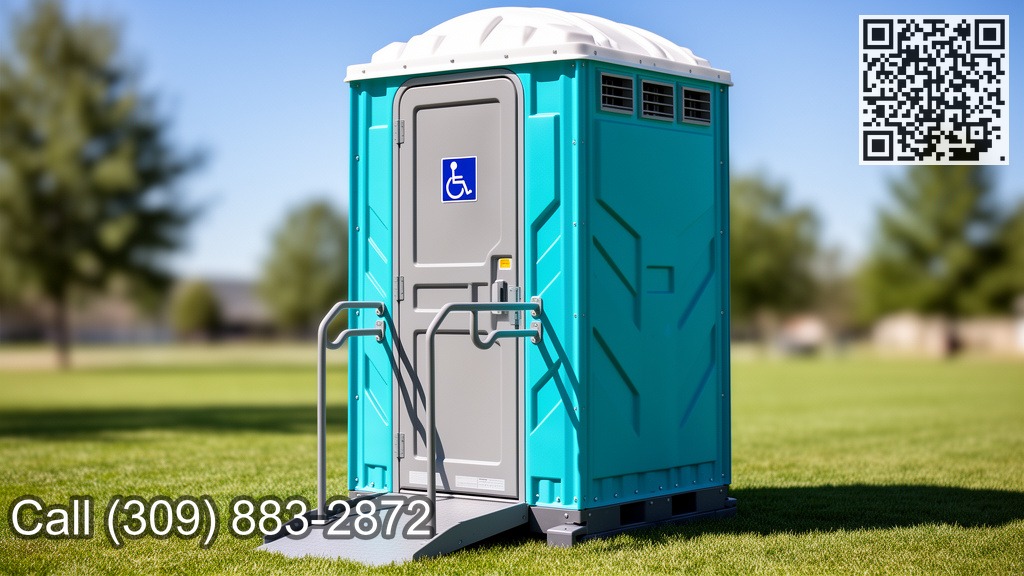
I have seen planning teams presume that since they bought one larger system, they had actually resolved the issue. Then delivery day comes, the units are organized tightly to optimize area, the accessible one winds up at the far side behind a barricade, and nobody notifications till attendees show up. That is how ease of access failings generally take place, not through open refusal, yet via laid-back inattention.
What the ADA requires for portable washroom accessibility
The legal structure right here is not mystical, even if individuals often treat it by doing this. The controlling government criterion in the United States is the 2010 ADA Criteria for Accessible Layout, as analyzed by the Gain access to Board and the Department of Justice.
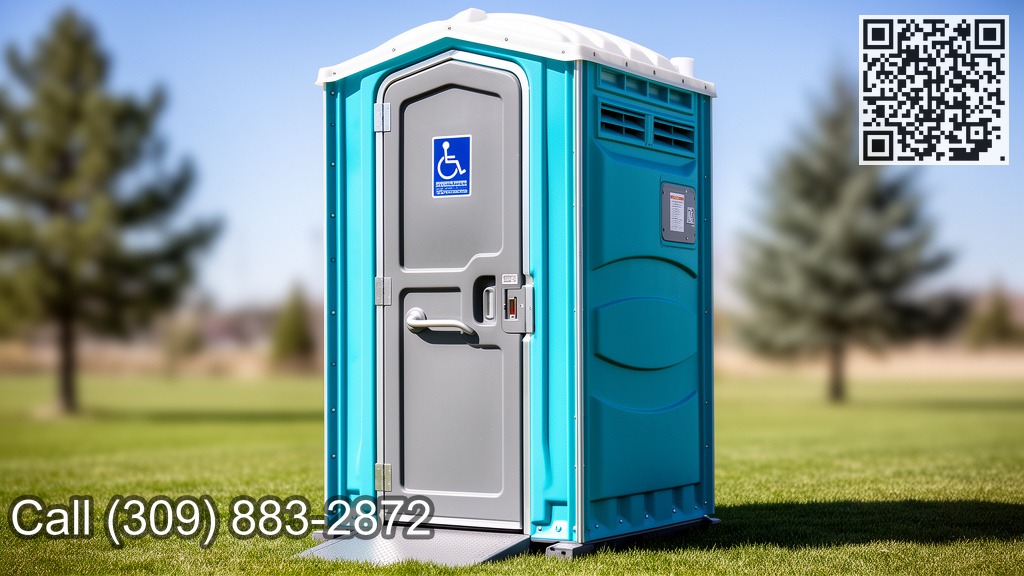
For general portable bathroom services, available units are called for in the situations covered by those requirements. The easily accessible system must be related to the International Sign of Availability. It also has to have an obtainable path and entry. If ramps or landings are required, those aspects need to comply with ADA technical demands as well. Inside the device, the toilet room must meet applicable technological demands involving fixture clearances, turning space, door maneuvering clearances, and pertinent grab bar and water closet clearance rules.
That is why the phrase ada compliant portable washroom has to suggest greater than "spacious sufficient." Real conformity depends upon a plan of problems collaborating. Size alone does not resolve it. Positioning alone does not resolve it. Signage alone does not settle it. The mix does.
There is also an essential distinction that occasionally produces confusion. The standards have actually dealt with particular construction-site portable bathrooms utilized solely by building and construction employees in different ways from basic portable toilet services. Individuals periodically find out about that restricted context and presume it excuses available arrangement all over. It does not. If you are taking care of an ada mobile toilet service for public use or basic use outside that narrow context, you require to assess the accessible-unit demand under the relevant ADA guidelines, not rely on an exemption that does not fit the situation.
Why recognition is more than a sticker label on the door
It is easy to ignore the sensible function of recognition since it appears so basic. Put the sign on the unit and carry on. However in actual website conditions, identification is what connects the legal demand to the user experience.
A marked ada certified mobile bathroom tells individuals, rapidly and without settlement, which unit is planned to fulfill ease of access needs. That can matter in a remarkably large range of moments. A visitor making use of a wheelchair tool might be preserving energy and can not afford unnecessary detours. A relative assisting an older adult might require to make a fast decision in a jampacked location. A person arriving at dusk, in bad climate, or during a loud event requires a clear aesthetic sign, not vague verbal directions.
Identification also helps event personnel and site supervisors do their tasks better. When the available system is clearly marked, groups can secure it from being misused as a storage space area, being hidden behind momentary devices, or coming to be the very first unit individuals enhance, wrap, or partially obstruct for branding. Those points take place regularly than several planners realize.
The identification need has an additional result that is less spoken about yet equally as vital. It compels coordinators to recognize the available unit as an unique component of the plan. When a device should be noticeably acknowledged, it is harder to pretend ease of access was covered by crash. It comes to be an intentional preparation option, which typically improves placement and maintenance choices too.
The usual failure points are rarely dramatic
Most availability failures with mobile restrooms are regular and preventable.
Sometimes the problem starts at getting. A renter asks for "one handicap device" without reviewing the design of the site, the dimension of the toilet collections, or whether each cluster needs its very own available arrangement based upon the suitable scoping. Often the vendor supplies the proper type of system, yet the website team places it where the delivery van can drop it most quickly as opposed to where individuals can approach it on an easily accessible route.
https://pristineportablesil.com/holding-tank-rental/Sometimes the device exists and determined, however the route to it is not really accessible. The ADA standards call for an easily accessible path and entry, and if a ramp or touchdown is needed, those aspects have to also adhere to the ADA technical requirements. This is where access typically breaks down in short-lived settings. The bathroom itself gets attention, but the course to the door does not. A person can not utilize a compliant system they can not reach.
Inside the unit, technical requirements matter equally as much. Component clearances, transforming space, door maneuvering clearances, and appropriate grab bar and water closet clearance policies are not documentation information. They are what make transfer, movement, and independent usage possible. If a mobile restroom is classified or marketed as accessible yet does not meet those technological conditions, the tag creates false confidence.
Temporary occasions are entitled to permanent-level care
One of one of the most consistent myths in occasion preparation is that short-term configurations can be treated casually because they are short-term. The law does not function this way, and neither does great operations practice. The Accessibility Board's interpretation especially keeps in mind that the accessible-unit demand uses even at short-lived occasions when you have collections of mobile single-user toilet units.
This matters for fairs, festivals, exterior services, school functions, pop-up neighborhood occasions, sports satisfies, and any kind of other situation where mobile restrooms are set up for public use. Momentary events are often harder environments for ease of access than long-term structures. Wayfinding is less acquainted. Surfaces can be uneven. Illumination might be even worse. Crowds can produce pinch factors. Staffing can transform hour by hour. Every one of that makes clear identification and obtainable placement more vital, not less.
I have watched participants get to a momentary occasion with total confidence in the program and zero confidence in the restroom setup, due to the fact that they have actually been disappointed before. That mistrust is earned with time. When obtainable bathrooms are easy to determine and reach, it transforms exactly how inviting the site feels nearly quickly. People observe when gain access to was thought about in advance.
The collection regulation adjustments exactly how you count
The 5 percent guideline for clusters of portable single-user toilet devices is just one of those demands that seems simple until a person starts laying out the website. It is inadequate to believe just in complete units across the entire property if restrooms are divided into separate collections. The regulation applies to each cluster.
That influences big grounds in a big way. An organizer could think one centrally situated ada certified available portable restroom is enough since the overall number of devices throughout the venue appears moderate. Yet if restrooms are spread amongst numerous locations, each collection needs to be examined on its own. That is the type of detail that people miss when they treat restroom leasing as a commodity purchase rather than an accessibility issue.
It likewise enhances the importance of recognition. Once you have available systems in the ideal clusters, individuals still require to recognize which devices they are. The symbol is what shuts the loophole in between compliant allocation and practical usability.
Where placement decisions go wrong
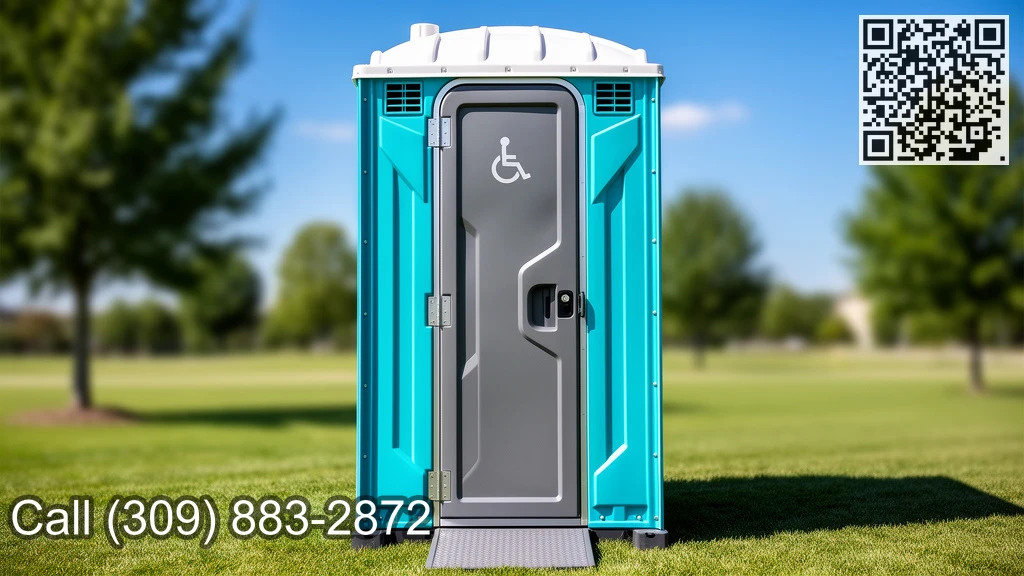
A surprising variety of accessibility problems come from convenience-based placement. Groups frequently pick the place that finest suits distributions, waste solution access, or crowd circulation from the organizer's viewpoint. Those are genuine worries, yet they can not bypass the need for an available route and entrance.
A few persisting trouble areas should have focus:
- placing the obtainable system beside a collection where the course is rough or obstructed
- setting it behind short-term fence, staging, or supplier equipment
- relying on a makeshift ramp or touchdown without considering ADA technical compliance
- treating the device as obtainable since it is larger, even when the course or entrance fails
- forgetting visible identification with the International Icon of Accessibility
That listing may seem fundamental, yet these are specifically the type of issues that develop real grievances and genuine barriers. None are unique. They are ordinary sychronisation mistakes.
The language people utilize can hide the genuine question
In the rental market, terms like ada portable restroom, ada certified mobile bathrooms, ada-compliant portable restroom, and ada-compliant portable commode usually get made use of loosely. That is easy to understand in table talk, but it can obscure crucial distinctions.
The actual question is not whether the product name seems best. The real inquiry is whether the device, in its set up problem, pleases the applicable requirements. An ADA compliant mobile toilet is not defined by a sales label. It is specified by fulfilling the access standards that relate to portable systems, including identification, path, entry, and indoor technological criteria.
This is why experienced coordinators promote specifics instead of depending on shorthand. If a person states, "We have an ada portable toilet on order," the follow-up should be, "Where will it be placed, just how will customers reach it, and is it clearly recognized?" Those are not fussy information. They are the difference between accessibility and inconvenience.
A far better method to review an ADA portable commode rental before opening
The most basic solutions take place before the site goes online. Once crowds get here, changing bathroom layout is harder, slower, and typically extra expensive.
A sensible pre-opening evaluation can be brief:
- Confirm that each bathroom collection has actually the called for easily accessible provision.
- Verify that the obtainable device is understood the International Sign of Accessibility.
- Check the course to the system and the entry, including any kind of ramp or touchdown that is needed.
- Make sure neighboring barricades, branding, devices, or storage do not interfere with access.
- Walk the path as a customer would certainly, not as the delivery team did.
That final action issues more than people think. A plan that looks penalty theoretically can stop working quickly when you approach the device from the parking area, gateway, or pedestrian route really made use of by guests.
Accessibility identification influences self-respect as long as compliance
There is a human side to this subject that legal summaries typically miss out on. Recognition is not just for examiners or supervisors. It offers the individual that should not have to introduce their demands in order to utilize a restroom.
When an ada accessible portable restroom is clearly significant, a customer can find it separately. That independence is very easy to take for approved if you have never needed to consider whether asking for directions will certainly attract attention, expense time, or compel an awkward communication. For many people, the problem is not just physical. It is social. Good recognition decreases both strains at once.
That is why I often tend to push back when somebody treats the sign as optional or "good to have." The need exists since accessibility needs to be visible to be useful. If the obtainable unit mixes right into the row without recognition, some customers may at some point find it. That is not the standard we ought to be aiming for. The factor is not ultimate discovery. The point is equal, uncomplicated access.
The broader compliance environment is not getting looser
Even though this article is concentrated on portable restrooms, it is worth keeping in mind that ADA conformity is being applied in a more comprehensive environment across markets. Current government assistance activity around state and city government web and mobile availability target dates reflects the truth that availability responsibilities continue to be energetic and visible. That broader climate should inform coordinators and site operators something important: accessibility is not an old box to check and forget. It is an ongoing functional responsibility.
Portable sanitation belongs to that obligation. It may not obtain the same focus as web sites, entries, or seating strategies, but it impacts actual people equally as directly. In some settings, more directly. A failed washroom plan can derail somebody's entire capability to go to an occasion, stay at a website, or take part comfortably.
What mindful planners do differently
The organizations that handle this well typically share one practice: they quit treating the ada compliant mobile commode as a different add-on and start treating it as component of the full customer journey.
They ask where the accessible route starts, not just where the system rests. They think about whether the obtainable bathroom is positioned where people will naturally look for it. They verify that recognition is visible. They believe in clusters when counting systems. They understand that an easily accessible portable bathroom has to function as set up, not just as ordered.
That state of mind tends to enhance whatever around the rental process. Supplier discussions become more precise. Site maps become much more sensible. Last-minute surprises end up being much less common. Most importantly, the people that need the available system are less most likely to run into anxiety that could have been prevented.
An ada certified accessible portable bathroom should never really feel concealed, improvisated, or symbolic just in the abstract. It should be an actual, usable part of the website. The International Icon of Availability is a small aesthetic pen, however in technique it lugs a great deal of weight. It tells people, simply, that this system was meant to be found and used.
When you are arranging an ada portable bathroom leasing, that is the typical worth holding. Not simply having an easily accessible system someplace on the property, however seeing to it accessibility is recognizable, reachable, and convenient from the moment the website opens.
 Ask ChatGPT
 Ask Grok
 Ask Perplexity
 Ask Claude
 Ask Google AI
 Ask You
Ends · TROYWMYH021