ADA Portable Bathroom Demands for General Portable Commode Rentals
When somebody rental fees portable restrooms for a wedding, a road reasonable, a church outing, a county concert, or a short-term jobsite open up to the public, availability is not a side problem. It becomes part of whether individuals can attend easily, safely, and with self-respect. That factor obtains lost surprisingly often, normally not out of bad intent, but due to the fact that planners presume a typical mobile toilet lineup is good enough if they add sufficient units on the whole. It is not.
For basic mobile commode leasings in the USA, the controlling federal ease of access criterion is the 2010 ADA Criteria for Accessible Design, as translated by the united state Gain Access To Board and the Department of Justice. That issues because a great deal of complication still drifts around the rental market. People hear terms like ada portable commode, ada certified mobile bathroom, ada available portable toilet, or ada certified obtainable portable restrooms and assume the label alone resolves the inquiry. It does not. The criterion is what matters, and the sensible configuration on site issues just as high as the device itself.
I have seen this play out in average scenarios. A rental company provides one larger device and everybody kicks back, thinking the accessibility box has actually been inspected. Then the device gets positioned at the far edge of a sloppy area, behind a visual, or without any useful strategy for a mobility device individual. On paper, an easily accessible device was rented. In the real world, accessibility was still denied. That space between buying the right equipment and developing genuine gain access to is where many avoidable issues begin.
What the ADA requires for general portable bathroom rentals
For collections of mobile single-user bathroom devices, at the very least 5 percent of the devices in each collection must come. The Gain access to Board has made clear that this applies also at short-term occasions. That single guideline answers one of one of the most common questions occasion organizers ask: if you are grouping mobile commodes together, you do not choose access device by device based upon guesswork or participation presumptions. You take a look at the collection and make certain a minimum of 5 percent of that cluster is accessible.
That need is uncomplicated in concept, however people still stumble over the word "collection." In practice, this means you can not deal with ease of access as optional even if the setup is temporary, outdoors, or only in position for a weekend. Momentary does not indicate excluded. A public-facing portable bathroom service arrangement still needs to account for easily accessible use.
There is one important difference worth mentioning meticulously. The ADA requirements distinguish mobile toilet devices at building websites that are made use of solely by building and construction employees. Those are cured in different ways under the older 1991 common language referenced in the verified context. But this short article is about general portable commode rentals, not that slim construction-only scenario. For basic rentals, the accessible-unit requirement remains.
That difference matters since some individuals obtain language from building and construction practices and apply it as well broadly. A celebration, charity run, family get-together at a park, or neighborhood occasion is not the like a mobile unit booked just for building and construction workers. If the service is for general usage, availability belongs to the requirement.
"Available" indicates more than a bigger box
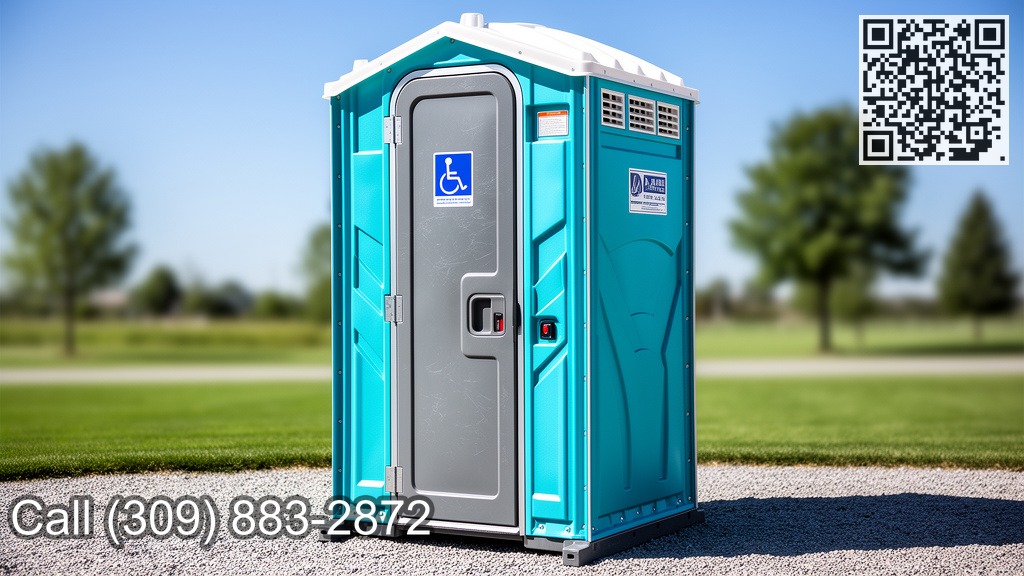
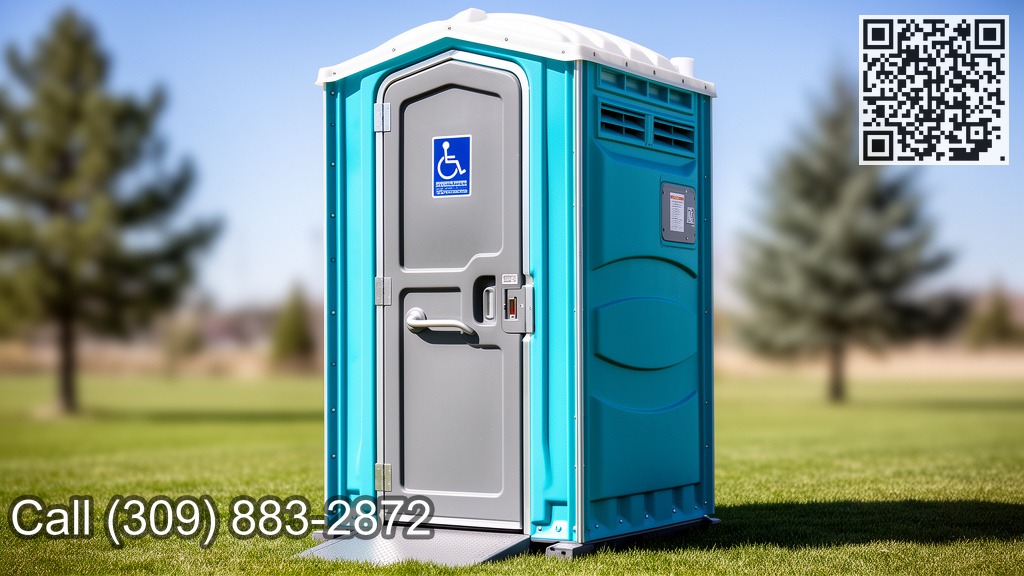
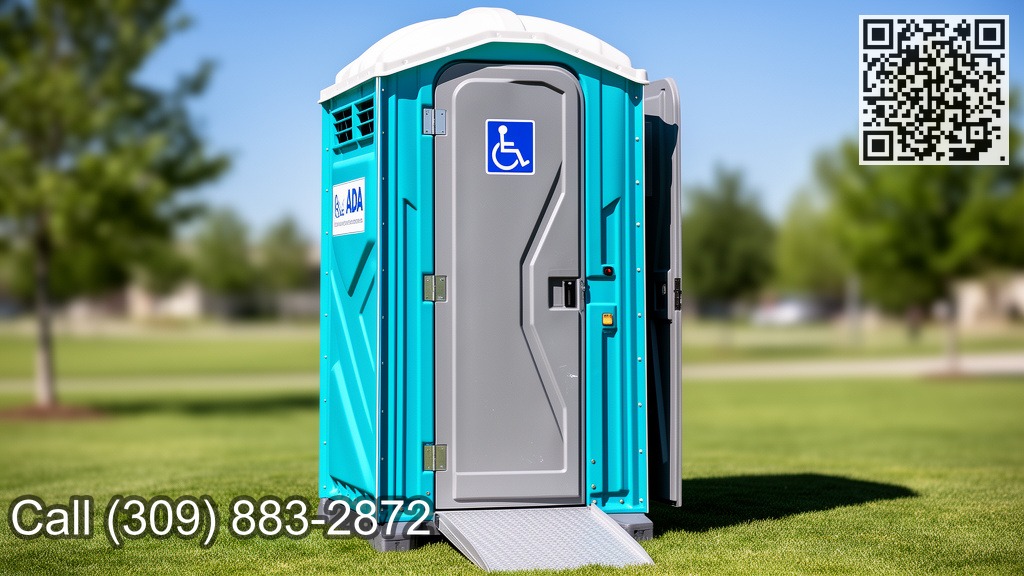
A true ada compliant portable bathroom is not just a spacious system with a bigger feeling. The ADA criteria need more than added square video. Portable easily accessible systems should be related to the International Icon of Ease Of Access. They likewise should have an easily accessible path and entryway, and any required ramps or landings must follow ADA technical requirements.
Inside the device, the technical needs for commode spaces still apply. That includes fixture clearances, transforming room, door maneuvering clearances, and appropriate grab bar and water closet clearance regulations. This is where a lot of unclear advertising language breaks down. A supplier might market ada-compliant mobile washrooms or ada certified mobile bathrooms, yet if the real configuration does not sustain entry, transforming, and usage under the ADA technological regulations, the tag alone is not enough.
The functional lesson is simple. Access is a system, not a sticker label. The unit, the entryway, the path to the entrance, and the interior design all need to work together.
Why placement is usually the genuine problem
If there is one concern that causes more difficulty than getting the wrong device, it is positioning the appropriate unit in the wrong location.
An ada portable restroom can be made properly unusable by website conditions. A couple of examples come up repeatedly. The system is established on unequal ground that changes under wheels. The course to the system crosses soft lawn, loosened gravel, or a lip that blocks entry. The cluster rests behind barricades with inadequate maneuvering space. The door opens up into an awkward location without functional method. The sign is present, however the experience is not accessible.
That is why the easily accessible course demand is worthy of even more attention than it generally obtains. Individuals not surprisingly focus on the portable toilet itself since it is the rented out product. Yet the course to it is equally as important. A person can not use an ada handicap available mobile bathroom if they can not reach the entryway in the first place.
This shows up at outdoor occasions regularly than several organizers anticipate. A field that feels "mainly level" when you stroll it in completely dry shoes might be extremely different for a mobility device user, somebody utilizing a walker, or a visitor with minimal balance. Also tiny adjustments in quality, soft ground, or bad shifts can make access difficult or difficult. The ADA's course and entrance requirements exist for a factor. They are not technological facts. They show exactly how individuals in fact move via a site.
Temporary events still count
One of one of the most consistent false impressions is that the policies kick back when an event is temporary. They do not. The Gain access to Board's guidance makes clear that the 5 percent accessible requirement applies even at short-lived events.
That factor ought to work out a discussion that appears every spring and summertime. A pop-up beer yard, a one-day arts market, a weekend event, or a parade hosting area may really feel casual, yet if mobile single-user commode devices are clustered there, ease of access still needs to belong to the strategy. "It's just for a day" is not a protection, and it is not much comfort to a visitor that arrives and finds no functional restroom.
The exact same concept relates to occasion scale. Small occasions are not instantly excused. Large occasions are not the only ones that need an ada mobile commode leasing technique. Also a small celebration can leave individuals out if accessibility is treated as optional.
The signage item is very easy to overlook
Accessible mobile bathroom devices have to be identified with the International Sign of Availability. This may seem like a minor detail compared to course and clearance requirements, yet it matters in practice.
When signs is missing out on or unclear, guests usually lose time looking, asking personnel, or opening up doors that do not satisfy their requirements. That is annoying for any individual, and for people managing pain, seriousness, tiredness, or movement restrictions, it can turn a manageable outing into an unpleasant one. Clear recognition assists people find the right system swiftly and with less stress.
It additionally helps personnel and volunteers straight guests appropriately. At active occasions, front-line employees are frequently answering concerns while managing a loads various other tasks. If the accessible device is appropriately noted and sensibly put, the entire communication comes to be smoother.
Counting systems correctly
The 5 percent policy sounds mathematically straightforward, yet it still produces unpredictability due to the fact that people desire a crisp one-size-fits-all formula for every single scenario. The core rule is the component we can specify with confidence from the verified context: a minimum of 5 percent of the systems in each cluster should be accessible.
The more useful takeaway is not to get clever with the mathematics or the layout. If you are arranging basic mobile toilet leasings, think in regards to the actual collections you are producing on the ground. If there are numerous separate banks of devices throughout a site, accessibility has to be taken into consideration where individuals will reasonably need it. Dealing with one far-off accessible system as if it offers every organizing well is generally where organizers wander away from the spirit and function of the standard.
This is where compassion aids. Think of going to an event with movement restrictions and being told the easily accessible choice exists, yet it is throughout the place, previous groups, and down a course that is difficult to browse. Technically existing is not the like reasonably usable.
Questions to settle in the past shipment day
Most access mistakes happen before the truck shows up. They start in the planning conversation, when nobody asks sufficient follow-up inquiries regarding where the systems will go and that will be using them.
A brief planning check can protect against most of the common failures:
- Is the service for general usage as opposed to a construction-only usage limited exclusively to building and construction personnel?
- Will each cluster consist of a minimum of 5 percent easily accessible units?
- Is there an available route to the unit's entrance?
- If ramps or touchdowns are needed, will certainly they comply with ADA technological requirements?
- Will the easily accessible unit be plainly understood the International Icon of Accessibility?
That is not an abstract conformity workout. It is a functional handoff between organizer, website supervisor, and rental provider. When those 5 inquiries are addressed early, the chance of a final shuffle goes down sharply.
What tenants need to ask vendors, and what suppliers need to ask back
The ideal mobile bathroom rental discussions specify. If a consumer merely requests for "one handicap system," there is a threat that every person leaves excessive unsaid. A far better conversation covers the nature of the occasion, whether the units are gathered, where they will be put, and just how guests will certainly reach them.
For customers, this implies requesting for greater than a broad pledge of ease of access. Terms like ada compliant mobile toilet, ada-compliant portable toilet, or ada compliant mobile toilets ought to lead to useful inquiries. Will the unit be marked properly? Does the website support an obtainable course? Is there enough area for approach and door handling? Are the surrounding surface areas convenient? If additional functions like ramps or touchdowns are required, are they being intended in such a way that follow ADA requirements?
For vendors, the responsibility is not simply to supply stock. It is to recognize whether the intended positioning will threaten ease of access. A reliable carrier recognizes that a truly useful ada portable restroom depends upon the website as high as the system. Even if last placement choices come from the coordinator or residential property manager, providers do everyone a favor when they ask tough inquiries very early as opposed to accepting unclear directions and wishing for the best.
A couple of usual blunders that create trouble
These are the problems I see usually as a whole mobile commode preparation:
- Renting an accessible device however falling short to provide an easily accessible path to it.
- Treating a momentary event as if accessibility guidelines do not apply.
- Assuming a bigger unit is immediately ADA certified without inspecting the full requirements.
- Forgetting clear recognition with the International Symbol of Accessibility.
- Concentrating available service too far where individuals really require it.
None of these errors are significant by themselves. That is exactly why they happen. They look little on a planning spread sheet and huge in a visitor's lived experience.
The construction-site exemption, managed carefully
Because this subject triggers complication, it is worth revisiting the building and construction factor with treatment. The validated context notes a difference for portable commode devices at building and construction sites made use of specifically by building and construction workers. That is a details condition. It ought to not be extended right into a blanket excuse for basic rentals.
If the leasing circumstance is a public occasion, customer-facing organization use, community feature, or any type of various other general-use plan, the much safer and more exact framework is to deal with the accessible-unit requirement as appropriate. Way too many coordinators listen to "construction" and believe any type of short-lived configuration shares the very same treatment. It does not.
This is among those locations where a narrow exemption can create wide misunderstanding. When unsure, classify the actual use honestly. If the systems are for basic users, plan for ease of access accordingly.
Compliance is taking place in a wider ADA environment
Accessibility planning for portable bathrooms does not exist in isolation. In 2026, the wider compliance environment continued to reveal energetic ADA interest throughout fields. One appropriate example is the Division of Justice assistance prolonging the deadline for state and city government internet and mobile access guidelines to April 26, 2027 for larger entities. That advancement is not concerning portable commodes straight, yet it reflects something important: ADA compliance is not fading into the background. It stays a real-time area of obligation and enforcement.
That wider context ought to encourage severity, not stress and anxiety. For the majority of organizers and rental carriers, the objective is illegal movie theater. It is common capability. If people are invited to an area, they need to be able to use the washroom there. That is a fundamental part of hospitality, gain access to, and public accommodation.
Good ease of access preparation feels common to the guest
The ideal available toilet arrangement seldom obtains praise due to the fact that it does not compel anybody to think of it. Visitors show up, locate the best system, travel a functional path, go into without a struggle, and go on with their day. That level of smoothness is the point.
Poor planning, on the other hand, becomes unforgettable fast. A guest needs to ask 3 team member where the ada easily accessible mobile bathroom is. The unit is technically existing however blocked by terrain. A family member needs to look ahead in shame. Someone leaves earlier than planned since they can not count on the centers. Those tales travel, and they should. They expose whether an occasion invited people in a genuine feeling or in the language of a flyer.
For coordinators, this is not simply a conformity worry. It is a count on issue. If attendees with specials needs can not rely on bathroom access, they might hesitate to return following year, and they may suggest others accordingly. The same holds true for customers selecting vendors. Rental business that comprehend access, ask good inquiries, and assist customers stay clear of typical mistakes become even more important than firms that simply go down units and depart.
Practical judgment matters as high as the rulebook
The rulebook gives the framework. Real-world judgment makes it work.
An ada compliant portable commode placed where individuals can in fact reach it is better than a nominally certified arrangement positioned carelessly. A tactical collection that accounts for path, technique, and identification offers guests far much better than a hurried order placed the evening before an occasion. None of that transforms the lawful standard, yet it does reflect just how conformity is successful in the field.
That is why seasoned planners develop access right into the first website stroll, not the final clean-up listing. They consider the ground problems, group flow, range from key activity areas, and whether the available alternative is really incorporated right into the toilet plan rather than tacked onto it.
When people use phrases like ada-compliant portable washrooms or ada portable bathroom demands, they are https://penzu.com/p/19aa3eeba4ddabdb commonly searching for an item requirements. What they really require is a site-wide frame of mind. The unit has to fulfill the relevant toilet-room technological needs. The course should be accessible. The entry should function. Ramps or touchdowns, when needed, must conform. The unit has to be recognized properly. And the percentage demand for each cluster should be respected.
That might seem like a lot until you remember what is at risk. It is not documents for its own benefit. It is whether an individual can participate in the exact same event as everybody else and satisfy a basic human requirement without obstacles, pain, or dependence.
The basic every basic tenant need to remember
If you bear in mind just the fundamentals, remember these. For general mobile commode rentals in the United States, the regulating federal criterion is the 2010 ADA Specifications for Accessible Style. In collections of portable single-user commode systems, at least 5 percent of the systems in each cluster should come, consisting of at temporary events. Easily accessible units must display the International Symbol of Access. They need to be served by an accessible route and entry, with any type of required ramps or landings satisfying ADA technical needs. And the systems need to satisfy the appropriate toilet-room technical rules, consisting of clearances, transforming space, door maneuvering clearances, and appropriate grab bar and water storage room clearance requirements.
Everything else is execution.
If you are renting for a basic audience, treat availability as part of the core order, not an add-on. Ask much more questions than feel purely essential. Stroll the route prior to the event begins. Look at the site through the eyes of a guest that can not step over aesthetics, press conveniently through soft ground, or squeeze via a limited technique. That extra treatment is seldom made complex, and it makes a visible difference.
A tactical ada mobile bathroom service does not just fulfill a demand. It makes the event much more functional, a lot more inviting, and more considerate for individuals who show up anticipating to take part totally. That is a conventional worth conference every time.
 Ask ChatGPT
 Ask Grok
 Ask Perplexity
 Ask Claude
 Ask Google AI
 Ask You
Ends · TROYWMYH021